Best Ways to Keep a Vessel in Tip-Top Condition
Routine maintenance is vital for ensuring your boat continues in peak condition and provides a safe and enjoyable boating experience. From routine inspections to preemptive upkeep, there are several key areas to prioritize. A comprehensive maintenance schedule will help you detect potential problems early on and minimize costly repairs down the line.
- Inspect your engine regularly, encompassing oil levels, filter conditions, and fuel lines.
- Clean the hull to prevent barnacle buildup and improve performance.
- Verify all electrical systems, including lights, navigation equipment, and batteries.
- Grease moving parts such as hinges, winches, and steering mechanisms to ensure smooth operation.
- Inspect safety equipment regularly, encompassing life jackets, flares, and fire extinguishers.

Outboard Engine Care: A Guide to Trouble-Free Boating
Keeping your outboard engine running at its best is essential for a safe and enjoyable time on the water. Regular maintenance and prompt troubleshooting can prevent costly repairs down the road.
Begin with the basics: check your oil level regularly, and ensure you're using the correct type of lubricant. Inspect your fuel lines for any indications of damage or leaks. Replace worn spark plugs and air filters to keep your engine running efficiently.
If you notice your engine sputtering, it could be a sign of a carburetor problem. Cleaning the carburetor regularly can solve this issue. Another common problem is overheating, which can be caused by a blocked water intake or a faulty thermostat. Ensure your impeller is functioning properly and that the cooling system is clear of debris.
Remember, even routine maintenance tasks like changing your lower unit oil can significantly extend the life of your outboard engine. Always consult your owner's guidebook services for specific recommendations and procedures.
Maintaining Your Outdrive's Performance: A Guide to Longevity
Your lower unit is the heart of your outboard motor, responsible for transmitting power from the engine to the propeller. Ensuring its longevity is crucial for smooth sailing and avoiding costly repairs down the road. Regularly inspect lower unit will help you identify potential problems early before they escalate. Always consult your owner's manual for specific maintenance intervals and recommendations.
- Make sure that proper lubrication of all moving parts by using the correct oil and following manufacturer guidelines.
- Keep an eye out for any signs of wear or damage, such as corrosion, cracks, or leaks. Fix these issues fast to prevent further deterioration.
- Maintain your lower unit with clean water after every trip in saltwater to remove corrosive elements.
- Store your boat and outboard motor properly when storing to protect the lower unit from environmental damage. It's a good idea using a cover and storing it in a dry location.
Mastering Boat Care: Tips & Tricks for a Happy Voyage
Start on each voyage with confidence, knowing your vessel is in proper shape. Consistent boat maintenance isn't just about keeping things running smoothly, it's concerning protecting its investment and ensuring safe and enjoyable outings on the water.
- Begin by examining your boat meticulously. Look for any signs of damage, wear and tear, or potential problems.
- Wash your boat regularly to prevent dirt, grime, and salt buildup from damaging its finish.
- Check your engine oil levels and change the oil as recommended by the manufacturer.
- Service your boat's battery to ensure it starts properly.
- Grease moving parts such as engine components, hinges, and propeller shafts.
By following these tips, you can preserve your boat in excellent condition and experience many years of happy boating days.
Preventative Vessel Maintenance: Avoid Costly Repairs in the Future
A well-maintained boat will operate you for numerous years to come. Preventative boat maintenance is not only a good idea; it's an essential investment that can greatly reduce the chances of costly repairs down the road. Regular checks, cleaning, and upkeep can reveal possible issues before they worsen major problems, saving you time, money, and worry.
By following a consistent preventative maintenance routine, you'll guarantee your boat is always in tip-top shape and ready for your next outing on the water.
Here are the key aspects to consider when crafting a preventative maintenance plan:
* Conduct periodic inspections your engine, drive system, and other mechanical components for wear and tear.
* Oil all moving parts according to manufacturer recommendations.
* Scrub your boat's hull and deck regularly to prevent rust.
* Inspect your electrical system, including the batteries, wiring, and lights.
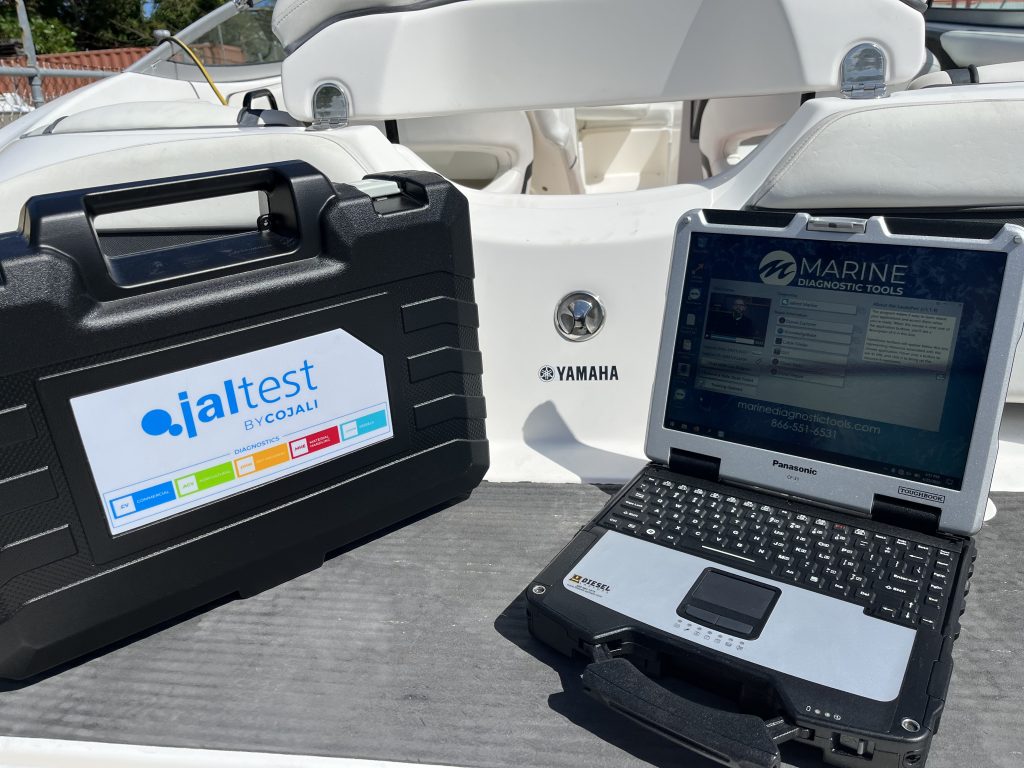
By doing these preventative measures, you can maximize the life of a boat and enjoy many years of safe and enjoyable sailing or boating.
Maintaining a Boat: A Boater's Guide to Ongoing Maintenance
Boats are more than just a vessel; it's an investment that requires consistent care to ensure its longevity and performance. Neglecting upkeep can lead to expensive repairs and even jeopardize your safety when out on the water. ,Consequently , implementing a scheduled maintenance plan is critical for any conscientious boater.
Start by inspecting your vessel thoroughly before each outing. Look for any signs of damage, wear and tear, or potential problems. Periodically, perform more in-depth maintenance tasks such as checking engine oil levels, changing filters, inspecting fuel lines, and oiling moving parts.
A well-maintained boat is a safe and enjoyable boat. Don't wait for issues to come-up; regularly address them with consistent upkeep.